Monday, April 25, 2011


О Смысле Жизни
Вопрос о смысле жизни занимал людей всех времен и поколений, и, несмотря на его трудность и много гранность, мы все же хотим найти конкретный ответ. Одна учительница в России писала: «Если я потеряю веру в смысл моей работы, то я не доживу и до утра».
Не о том ли говорит Достоевский в своих «Записках из мертвого дома»? Если бы заставить каторжанина до обеда переливать воду из бочки без дна в реку, а после обеда из реки в бочку, перетаскивать кучу земли с одного места на другое и обратно, он бы покончил жизнь самоубийством или сделал бы множество преступлений, чтобы поскорее умереть, лишь бы выйти из такого унижения, стыда и муки. Разумеется, что такое наказание (бессмысленный труд) обратилось бы в пытку.
Ужас бесцельности и ужас бессилия — вот два ужаса, которые смертельно поражают волю человека. Иметь определенную цель, знать ту или иную задачу и не иметь сил ее выполнить — какое это невыносимое страдание! (Мучительно это очень для старцев, которые всю жизнь в чем-то преуспевали, а теперь...) Но еще тяжелее иметь силу, обладать кипучей энергией и не знать, к чему эту силу приложить.
Ужас бесцельности — глубокая трагедия для нынешней молодежи. Для чего трудиться, для чего страдать? Бесцельность рождает бессилие, бессилие рождает бесцельность. Лишь цель делает волю сильной. Дайте нам определенную цель! Цель, которая не приведет снова в «никуда», на кладбище. Лишь конкретная цель делает волю сильной. Без достижения цели нет удовлетворения в жизни. Воля — это способность решать, действовать. Чтобы была эта способность твердой, необходима правильно поставленная цель.
Многие просто погибают от осознания бессмысленности жизни.Как-то обратился ко мне молодой человек, ища ответа на вопрос, кто виноват в смерти его друга, который покончил с собой. Был ведь неплохой, трудолюбивый парень, но никак не мог обрести смысл в жизни.
Никто не смог ему в этом помочь. Молодому человеку я ответил: «Я виноват, что не говорю народу о смысле жизни».
Сейчас многие закрывают глаза, не желая видеть мрачную действительность. Их беспечное веселье подобно пиру во время чумы или пляске на краю пропасти. Один из героев Шекспира восклицает: «Весь мир-тюрьма!» И для очень многих это воистину так: тюрьма, больницы, психбольницы, кладбища, где бессмертна только смерть...
Да, трудно жить во время кризиса и переоценки всех ценностей, бесконечно задаваясь вопросами: для чего же я живу? Для чего и для кого создано мироздание? Где начало всех начал? Есть ли бессмертие и справедливость? Но, друзья, может, существует все же другой мир, где действительность прекрасна?
Поищем лучшего мира — царства света, которого так жаждет душа! Ведь тайный голос в вас говорит: «Есть истина, есть смысл бытия, жизни нашей!»
Но каким должен быть смысл жизни, который удовлетворил бы всех, всех без исключения, без различия рас, наций, народностей, племен? Какой смысл может удовлетворить человека, отвечать всем возвышенным его стремлениям, всем требованиям разума, совести и чувств?
Прежде всего этот смысл жизни должен быть возвышенным, прекрасным, способным вдохновлять, поднимать ввысь над всеми невзгодами, над всеми препятствиями, постороенными нами же в нашей эгоистичной и слепой узости бытия.
Сердце человека влечет его к надзвездным высотам, а порою, когда утрачена цель, оно же тянет его в прах и грязь земли, когда бессилие делает немощными его крылья, чтобы взлететь над унынием.
Помни, человек, твое чело обращено к вечности. Материализм с его отрицанием жизни духа, Бога и бессмертия не может насытить потребности твоей души. Я вижу апатию молодежи, вошедшей в «новую жизнь», в жизнь, ведущую в никуда. Трагедия в том, что, оторвавшись от старых ценностей и не найдя новых, человек оказался на распутье, растерянный, потерявший руль, увлекаемый силой ветров и бурь...
«Что такое жизнь ваша? - спрашивает апостол Иаков и отвечает: - Пар, являющийся на малое время, а потом исчезающий» (Иакова 4:14).
Мне восемьдесят пятый, но я ясно помню мужество, бодрость моей матери, её непоколебимое стремление к поставленной цели — вложить в нас, в своих сыновей, здравый смысл, - открыли мне тайну жизни. Я понял: борьба за доброе и победа есть счастье для борцов. Без такой цели мы в жизни видим только зло, страдание, насилие, неправду. В ней царствует грех, болезнь, смерть.
Многозначительная традиция была у египтян: на пирах на видном месте помещали мумию, грозно
напоминающую о смерти. Приходится как бы согласиться с тем, что мы рождены, чтобы умирать, - еще один ужас, словно злая насмешка над человеком. Мир действительно лежит во зле, глубоко погрязший в болоте греха и развратившийся в беззаконии до предела. Земные блага — здоровье, молодость, свобода, богатство — лишь условия для временных ощущений. Мы, христиане, нашли смысл во свете, в котором нет обездоленных, отверженных, лишних. Этот смысл жизни предлагает нам не религия, не общественность, но Бог в Его великой книге — Библии. Только учение Иисуса Христа даёт нам способность любить всех людей, помочь им познавать добро и зло, полюбить добро, полюбить жизнь, полюбить истину.
Вера в учение Иисуса Христа, вера в возмездие за грех и воздаяние за добро, вера в воскресение из мёртвых, в праведный суд (подготовка — здесь, на земле, к ответу и жизни вечной) — это и есть истинный смысл жизни.
Давид Петерс
(Из газеты «Наши Дни», Основатель-Редактор — Николай Водневский (1922-2008)
www.nashidni.com
Sunday, April 24, 2011
При каких условиях мы получим ответ на нашу молитву
а) творите молитву по воле Господа
Молитва наша будет услышана, если она сотворена по воле Господа.
«И вот, какое дерзновение мы имеем к Нему, что, когда проcим
чего по воле Его, Он слушает нас» (1 Ин. 5:14).
Но как сможем мы узнать волю Господа? Через молитву, через
изучение Слова Божьего, ведомые Святым Духом, приходим мы к познанию воли Господа.
Наши молитвы должны быть бескорыстны.
«Просите и не получаете, потому что просите не на добро, а
чтобы употребить для ваших вожделений» (Иак. 4:3).
Даже тогда, когда нам не удается назвать свои заботы, Святой
Дух безошибочно определяет наши нужды и представляет их пред Богом.
«Также и Дух подкрепляет (нас) в немощах наших; ибо мы не знаем,
о чем молиться, как должно, но Сам Дух ходатайствует за нас воздыханиями неизреченными.
Испытующий же сердца знает, какая мысль у духа, потому что Он ходатайствует
за святых по воле Божией» (Рим. 8:26, 27).
Как отрадно сознание, что Святой Дух приносит наши молитвы
Господу, что Иисус ходатайствует за нас и что Бог Отец с любовью и участием
помогает нам!
б) молитесь с верой
Мы должны иметь глубокую веру в Того, к Кому обращаемся. Библия
учит нас:
«А без веры угодить Богу невозможно; ибо надобно, чтобы приходящий
к Богу веровал, что Он есть, и ищущим Его воздает» (Евр. 11:6).
«Но да просит с верою, ни мало не сомневаясь, потому что сомневающийся
подобен морской волне, ветром поднимаемой и развеваемой» (Иак. 1:6).
Замечает ли Бог молитву, произнесенную без веры? Однажды молодой
человек, оказавшийся в трудной ситуации, подошел к проповеднику и попросил:
«Я не верю в Бога, но если вы в Него веруете, помолитесь за меня».
Да, вера — это непременное условие для того, чтобы молитва
была услышана. Но вспомните чудо, которое совершил наш любящий Спаситель, услышав
слова, сказанные в отчаянии:
«… верую, Господи! помоги моему неверию» (Мк. 9:24).
в) ощутите себя нуждающимися
Самодовольные сердца редко испытывают нужду в Боге. Он посылает
Свое благословение тем, кто осознает потребность в Его силе и молит Его об этом.
«Блаженны алчущие и жаждущие правды, ибо они насытятся» (Мф.
5:6).
г) отвратитесь от греха
Выходил ли у вас из строя предохранитель из-за замыкания электрической
цепи? Грех подобен такому замыканию, которое лишает нас Божественной силы. Грех
выключает нас из цепи Божественной энергии, и мы оказываемся в темноте, так
как всякий грех есть проявление своекорыстия, которое отделяет нас от бескорыстия
Господа.
«Если бы я видел беззаконие в сердце моем, то не услышал бы
меня Господь» (Пс. 65:18).
Никогда наша молитва не будет услышана, если мы преднамеренно
нарушаем заповеди Божьи, если мы оказываемся подвержены греху.
«Кто отклоняет ухо свое от слушания закона, того и молитва
— мерзость… Скрывающий свои преступления не будет иметь успеха; а кто сознается
и оставляет их, тот будет помилован» (Притч. 28:9, 13).
«Ибо, если сердце (наше) осуждает нас, то кольми паче Бог,
потому что Бог больше сердца нашего и знает все. Возлюбленные! если сердце наше
не осуждает нас, то мы имеем дерзновение к Богу, и, чего ни попросим, получим
от Него, потому что соблюдаем заповеди Его и делаем благоугодное пред Ним» (1
Ин. 3:20—22).
Давайте же не будем забывать Слова Божьего, но будем стремиться
во всем следовать ему. Иисус обещал молиться за тех, кто любит Его и соблюдает
Его заповеди.
«Если любите Меня, соблюдите Мои заповеди. И Я умолю Отца,
и даст вам другого Утешителя, да пребудет с вами вовек» (Ин. 14:15, 16).
Хотите ли вы испытать то удивительное чувство, которое появляется
тогда, когда осознаешь, что молитва твоя услышана? Посвятите свою жизнь Иисусу,
отдайте ее целиком, так, чтобы Он привел ее в соответствие с волей Божьей. Пусть
ничто не отделяет вас от Его благодати и Его силы.
Молитва наша будет услышана, если она сотворена по воле Господа.
«И вот, какое дерзновение мы имеем к Нему, что, когда проcим
чего по воле Его, Он слушает нас» (1 Ин. 5:14).
Но как сможем мы узнать волю Господа? Через молитву, через
изучение Слова Божьего, ведомые Святым Духом, приходим мы к познанию воли Господа.
Наши молитвы должны быть бескорыстны.
«Просите и не получаете, потому что просите не на добро, а
чтобы употребить для ваших вожделений» (Иак. 4:3).
Даже тогда, когда нам не удается назвать свои заботы, Святой
Дух безошибочно определяет наши нужды и представляет их пред Богом.
«Также и Дух подкрепляет (нас) в немощах наших; ибо мы не знаем,
о чем молиться, как должно, но Сам Дух ходатайствует за нас воздыханиями неизреченными.
Испытующий же сердца знает, какая мысль у духа, потому что Он ходатайствует
за святых по воле Божией» (Рим. 8:26, 27).
Как отрадно сознание, что Святой Дух приносит наши молитвы
Господу, что Иисус ходатайствует за нас и что Бог Отец с любовью и участием
помогает нам!
б) молитесь с верой
Мы должны иметь глубокую веру в Того, к Кому обращаемся. Библия
учит нас:
«А без веры угодить Богу невозможно; ибо надобно, чтобы приходящий
к Богу веровал, что Он есть, и ищущим Его воздает» (Евр. 11:6).
«Но да просит с верою, ни мало не сомневаясь, потому что сомневающийся
подобен морской волне, ветром поднимаемой и развеваемой» (Иак. 1:6).
Замечает ли Бог молитву, произнесенную без веры? Однажды молодой
человек, оказавшийся в трудной ситуации, подошел к проповеднику и попросил:
«Я не верю в Бога, но если вы в Него веруете, помолитесь за меня».
Да, вера — это непременное условие для того, чтобы молитва
была услышана. Но вспомните чудо, которое совершил наш любящий Спаситель, услышав
слова, сказанные в отчаянии:
«… верую, Господи! помоги моему неверию» (Мк. 9:24).
в) ощутите себя нуждающимися
Самодовольные сердца редко испытывают нужду в Боге. Он посылает
Свое благословение тем, кто осознает потребность в Его силе и молит Его об этом.
«Блаженны алчущие и жаждущие правды, ибо они насытятся» (Мф.
5:6).
г) отвратитесь от греха
Выходил ли у вас из строя предохранитель из-за замыкания электрической
цепи? Грех подобен такому замыканию, которое лишает нас Божественной силы. Грех
выключает нас из цепи Божественной энергии, и мы оказываемся в темноте, так
как всякий грех есть проявление своекорыстия, которое отделяет нас от бескорыстия
Господа.
«Если бы я видел беззаконие в сердце моем, то не услышал бы
меня Господь» (Пс. 65:18).
Никогда наша молитва не будет услышана, если мы преднамеренно
нарушаем заповеди Божьи, если мы оказываемся подвержены греху.
«Кто отклоняет ухо свое от слушания закона, того и молитва
— мерзость… Скрывающий свои преступления не будет иметь успеха; а кто сознается
и оставляет их, тот будет помилован» (Притч. 28:9, 13).
«Ибо, если сердце (наше) осуждает нас, то кольми паче Бог,
потому что Бог больше сердца нашего и знает все. Возлюбленные! если сердце наше
не осуждает нас, то мы имеем дерзновение к Богу, и, чего ни попросим, получим
от Него, потому что соблюдаем заповеди Его и делаем благоугодное пред Ним» (1
Ин. 3:20—22).
Давайте же не будем забывать Слова Божьего, но будем стремиться
во всем следовать ему. Иисус обещал молиться за тех, кто любит Его и соблюдает
Его заповеди.
«Если любите Меня, соблюдите Мои заповеди. И Я умолю Отца,
и даст вам другого Утешителя, да пребудет с вами вовек» (Ин. 14:15, 16).
Хотите ли вы испытать то удивительное чувство, которое появляется
тогда, когда осознаешь, что молитва твоя услышана? Посвятите свою жизнь Иисусу,
отдайте ее целиком, так, чтобы Он привел ее в соответствие с волей Божьей. Пусть
ничто не отделяет вас от Его благодати и Его силы.
The End Times is not the end, it marks a new beginning
The End Times Bible prophecy is not the end but also marks a new beginning. The Bible promises ultimate joy at Christ's second coming because He who dwells within us will fulfill His final purpose for us to live with Him forever. Imagine never having to worry about your future again. The End Times Collection demonstrates that God is in control. Our citizenship in Christ's Kingdom is sure, our destiny is set, and our victory over death is certain.
Disc 1: The End Times: In the Words of Jesus - Jesus Christ spoke of signs that will announce the most catastrophic period in our planet's history: the seven years called the Tribulation! The End Timesis a compelling presentation of the major events that will immediately precede and unfold during the Tribulation. This video includes such concepts as: the Rapture, a time when Jesus Christ will appear and take the faithful to heaven instantly; the rise of the Antichrist, a world leader empowered by Satan; the outpouring of God's wrath and the final judgment upon the earth; and, finally, the triumphant return of Jesus Christ. This video considers the prophecies foretelling the end of human history as delivered from the lips of history's most credible authority-Jesus Christ. What did He say and what did He mean about the final days before His return to Earth? What events foreshadow the end of civilization as we know it? Providing their insights and expertise, this film includes Dr. Tim LaHaye, co-author of "Left Behind", Dr. Ed Hindson, author of "Final Signs", and Dr. Thomas Ice, author of "When the Trumpet Sounds". Using computer animation, fine art, dramatizations, and an original music score, this program is more pertinent today than ever before. Christ's warnings are terrifying yet abundant with hope.
Disc 2: 7 Signs of Christ's Return - Biblical prophecy can provide fascinating insights into the future. Scriptures foretell seven momentous world events that will herald the second coming of Jesus Christ. One has already occurred: the establishment of the State of Israel and its continuing claim on Palestine. Six other signs are also dramatically depicted, including one that is taking place now: the unification of Europe, which, as it is prophesized will be followed by the rise of the Antichrist. At what hour are we on the clock of history? The countdown continues.
Disc 3: Armageddon - Armageddon, Doomsday, the Final Battle, and Apocalypse - prophesied in scripture and forecast by prophets like Edgar Cayce and Saint Malachy, an Irish priest and prophet of the 12th century, who in 1139 accurately forecast the identity of 110 future Popes. Nostradamus, a French physician of the 16th century, accurately predicted wars and disasters, and named three Antichrists. In this video, many of these prophecies come together into one strong warning. We may be nearing the End Time and the final chapter of human history.
Disc 4: The Gates of Jerusalem - This fascinating video presents the story of Jerusalem and the Holy Land against the backdrop of history and prophecy. Jerusalem is the city where history began, and where many believe history will end. This program provides insights to predictions and events that are to take place in Jerusalem. Of the eight gates found in the walls surrounding Old Jerusalem, one of them, the Golden Gate, is being watched continuously by Christians, Muslims and the Jewish faithful. Millions around the world believe it holds the key to world history and our futures. For the Jewish faithful, the Golden Gate symbolizes the entry for their Messiah and the beginning of a Messianic age. For the Christians, this gate promises the second coming of Jesus, their Savior. For Muslims, the Golden Gate will someday be part of the last judgment of man at the end of history.
Disc 5: Against All Odds: Israel Survives - Feature Film Edition - For the thirteen episodes you saw on T.V., please see product # QD3680.
Israel's rebirth and survival in the 20th Century has been called a miracle. Those who were there cite their own experiences as proof. These are their stories. Completed in 2006 and as timely as today's headlines, Against All Odds: Israel Survives is a powerful and uplifting spiritual journey through Israel's turbulent history. Remarkable stories of awe-inspiring supernatural phenomena that helped to create and preserve modern Israel come to life in gripping dramatizations, eyewitness accounts, and interviews with the people who experienced these miracles of biblical proportions!
Extra Feature: Against All Odds- The Making of a Miracle: Series writer and director Tom Ivy hosts this compelling chronicle of the making of this extraordinary series.
Disc 6: Heaven Our Eternal Home - Heaven Our Eternal Home examines the histories of both Heaven and Hell. How did they come to be? What events dictated their creation? What, if anything, lies for us beyond the grave? As human beings we are drawn to these same timeless questions. More people living today than any other generation in history embrace the Bible's view of the afterlife. Interviews with noted authors, scholars and theologians including George H. Gallup, Jr. (George H. Gallup International Institute, and author of Adventures in Immortality), Joni Eareckson-Tada (author of Heaven: Your Real Home), and Dr. Larry Poland (theologian, educator and author of 2084) will cast light on the spiritual mysteries of Heaven and Hell. This program incorporates dramatic re-creations, art of the masters, and leading edge computer animation to present visual clues to the physical characteristics of Heaven and Hell. The program will strengthen the faith of those who believe and challenge the skepticism of those who doubt the existence of either place.
Tell a Friend about this product
Disc 1: The End Times: In the Words of Jesus - Jesus Christ spoke of signs that will announce the most catastrophic period in our planet's history: the seven years called the Tribulation! The End Timesis a compelling presentation of the major events that will immediately precede and unfold during the Tribulation. This video includes such concepts as: the Rapture, a time when Jesus Christ will appear and take the faithful to heaven instantly; the rise of the Antichrist, a world leader empowered by Satan; the outpouring of God's wrath and the final judgment upon the earth; and, finally, the triumphant return of Jesus Christ. This video considers the prophecies foretelling the end of human history as delivered from the lips of history's most credible authority-Jesus Christ. What did He say and what did He mean about the final days before His return to Earth? What events foreshadow the end of civilization as we know it? Providing their insights and expertise, this film includes Dr. Tim LaHaye, co-author of "Left Behind", Dr. Ed Hindson, author of "Final Signs", and Dr. Thomas Ice, author of "When the Trumpet Sounds". Using computer animation, fine art, dramatizations, and an original music score, this program is more pertinent today than ever before. Christ's warnings are terrifying yet abundant with hope.
Disc 2: 7 Signs of Christ's Return - Biblical prophecy can provide fascinating insights into the future. Scriptures foretell seven momentous world events that will herald the second coming of Jesus Christ. One has already occurred: the establishment of the State of Israel and its continuing claim on Palestine. Six other signs are also dramatically depicted, including one that is taking place now: the unification of Europe, which, as it is prophesized will be followed by the rise of the Antichrist. At what hour are we on the clock of history? The countdown continues.
Disc 3: Armageddon - Armageddon, Doomsday, the Final Battle, and Apocalypse - prophesied in scripture and forecast by prophets like Edgar Cayce and Saint Malachy, an Irish priest and prophet of the 12th century, who in 1139 accurately forecast the identity of 110 future Popes. Nostradamus, a French physician of the 16th century, accurately predicted wars and disasters, and named three Antichrists. In this video, many of these prophecies come together into one strong warning. We may be nearing the End Time and the final chapter of human history.
Disc 4: The Gates of Jerusalem - This fascinating video presents the story of Jerusalem and the Holy Land against the backdrop of history and prophecy. Jerusalem is the city where history began, and where many believe history will end. This program provides insights to predictions and events that are to take place in Jerusalem. Of the eight gates found in the walls surrounding Old Jerusalem, one of them, the Golden Gate, is being watched continuously by Christians, Muslims and the Jewish faithful. Millions around the world believe it holds the key to world history and our futures. For the Jewish faithful, the Golden Gate symbolizes the entry for their Messiah and the beginning of a Messianic age. For the Christians, this gate promises the second coming of Jesus, their Savior. For Muslims, the Golden Gate will someday be part of the last judgment of man at the end of history.
Disc 5: Against All Odds: Israel Survives - Feature Film Edition - For the thirteen episodes you saw on T.V., please see product # QD3680.
Israel's rebirth and survival in the 20th Century has been called a miracle. Those who were there cite their own experiences as proof. These are their stories. Completed in 2006 and as timely as today's headlines, Against All Odds: Israel Survives is a powerful and uplifting spiritual journey through Israel's turbulent history. Remarkable stories of awe-inspiring supernatural phenomena that helped to create and preserve modern Israel come to life in gripping dramatizations, eyewitness accounts, and interviews with the people who experienced these miracles of biblical proportions!
Extra Feature: Against All Odds- The Making of a Miracle: Series writer and director Tom Ivy hosts this compelling chronicle of the making of this extraordinary series.
Disc 6: Heaven Our Eternal Home - Heaven Our Eternal Home examines the histories of both Heaven and Hell. How did they come to be? What events dictated their creation? What, if anything, lies for us beyond the grave? As human beings we are drawn to these same timeless questions. More people living today than any other generation in history embrace the Bible's view of the afterlife. Interviews with noted authors, scholars and theologians including George H. Gallup, Jr. (George H. Gallup International Institute, and author of Adventures in Immortality), Joni Eareckson-Tada (author of Heaven: Your Real Home), and Dr. Larry Poland (theologian, educator and author of 2084) will cast light on the spiritual mysteries of Heaven and Hell. This program incorporates dramatic re-creations, art of the masters, and leading edge computer animation to present visual clues to the physical characteristics of Heaven and Hell. The program will strengthen the faith of those who believe and challenge the skepticism of those who doubt the existence of either place.
Tell a Friend about this product
Our Values
Our values shape our lives.
Values play a central role in our lives. Human needs in life, as opposed to wants, appear to be few: food, water, shelter, and a sense of personal direction or purpose. We really do not need more, at least to start, provided that our sense of direction or purpose is sufficiently strong. In this context, having a sense of direction or purpose means having values.
Because the term values is often used loosely, it may be helpful to define it at the outset. Values refers to objects, states of being, ideas, ways of thinking, or people that we value or do not value and related beliefs, assumptions or attitudes about what is valuable or not valuable. In addition to evaluations and related beliefs, values represent a personal choice that usually leads to one action rather than another.
A study of values is concerned with decisions about right or wrong. In this case, the field may be referred to as ethics or moral philosophy. But decisions about right and wrong constitute only a subset of all the valuations we commonly make. We also decide about what is good, true, just, or beautiful, among many other topics. (My note to all of this: A really true answer is found in the Bible along, not in any other literature created by human's mind.)
During the 19th century, personal values were studied in universities alongside political economy (now referred to separately as politics and economics) and psychology. We forget that all four of these fields are basically about human choice. And, although we still devote much time to the study of political, economic, and psychological choices, we no longer give personal choices, personal values, the same attention. Axios Institute hopes to help redress this situation, to restore the study of values to a central place in our thinking and in our schools.
Toward this end, we currently publish books and will expand the list. We also plan to identify and provide links to other valuable books and websites, and to collect and publish information about values-related courses in schools, colleges, and universities (including course materials). We have a small grants budget, for research or publication projects with the grant made to a higher education institution, primarily for those who have recently completed a PhD. Grants cannot be used for scholarships or financial aid. Applications should be no more than a page and grants rarely exceed $2, 000. We would also welcome an opportunity to post comments or shorter work by teachers and others involved in this field. In general, we will try to be of assistance to those interested in or teaching about values.
Q. What are your values?
Values play a central role in our lives. Human needs in life, as opposed to wants, appear to be few: food, water, shelter, and a sense of personal direction or purpose. We really do not need more, at least to start, provided that our sense of direction or purpose is sufficiently strong. In this context, having a sense of direction or purpose means having values.
Because the term values is often used loosely, it may be helpful to define it at the outset. Values refers to objects, states of being, ideas, ways of thinking, or people that we value or do not value and related beliefs, assumptions or attitudes about what is valuable or not valuable. In addition to evaluations and related beliefs, values represent a personal choice that usually leads to one action rather than another.
A study of values is concerned with decisions about right or wrong. In this case, the field may be referred to as ethics or moral philosophy. But decisions about right and wrong constitute only a subset of all the valuations we commonly make. We also decide about what is good, true, just, or beautiful, among many other topics. (My note to all of this: A really true answer is found in the Bible along, not in any other literature created by human's mind.)
During the 19th century, personal values were studied in universities alongside political economy (now referred to separately as politics and economics) and psychology. We forget that all four of these fields are basically about human choice. And, although we still devote much time to the study of political, economic, and psychological choices, we no longer give personal choices, personal values, the same attention. Axios Institute hopes to help redress this situation, to restore the study of values to a central place in our thinking and in our schools.
Toward this end, we currently publish books and will expand the list. We also plan to identify and provide links to other valuable books and websites, and to collect and publish information about values-related courses in schools, colleges, and universities (including course materials). We have a small grants budget, for research or publication projects with the grant made to a higher education institution, primarily for those who have recently completed a PhD. Grants cannot be used for scholarships or financial aid. Applications should be no more than a page and grants rarely exceed $2, 000. We would also welcome an opportunity to post comments or shorter work by teachers and others involved in this field. In general, we will try to be of assistance to those interested in or teaching about values.
Q. What are your values?
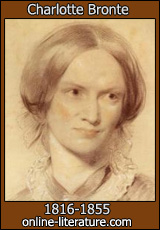
Charlotte Bronte
CHAPTER I
There was no possibility of taking a walk that day. We had been
wandering, indeed, in the leafless shrubbery an hour in the morning;
but since dinner (Mrs. Reed, when there was no company, dined early)
the cold winter wind had brought with it clouds so sombre, and a
rain so penetrating, that further out-door exercise was now out of
the question.
I was glad of it: I never liked long walks, especially on chilly
afternoons: dreadful to me was the coming home in the raw twilight,
with nipped fingers and toes, and a heart saddened by the chidings
of Bessie, the nurse, and humbled by the consciousness of my
physical inferiority to Eliza, John, and Georgiana Reed.
The said Eliza, John, and Georgiana were now clustered round their
mama in the drawing-room: she lay reclined on a sofa by the
fireside, and with her darlings about her (for the time neither
quarrelling nor crying) looked perfectly happy. Me, she had
dispensed from joining the group; saying, "She regretted to be under
the necessity of keeping me at a distance; but that until she heard
from Bessie, and could discover by her own observation, that I was
endeavouring in good earnest to acquire a more sociable and
childlike disposition, a more attractive and sprightly manner--
something lighter, franker, more natural, as it were--she really
must exclude me from privileges intended only for contented, happy,
little children."
"What does Bessie say I have done?" I asked.
"Jane, I don't like cavillers or questioners; besides, there is
something truly forbidding in a child taking up her elders in that
manner. Be seated somewhere; and until you can speak pleasantly,
remain silent."
A breakfast-room adjoined the drawing-room, I slipped in there. It
contained a bookcase: I soon possessed myself of a volume, taking
care that it should be one stored with pictures. I mounted into the
window-seat: gathering up my feet, I sat cross-legged, like a Turk;
and, having drawn the red moreen curtain nearly close, I was shrined
in double retirement.
Folds of scarlet drapery shut in my view to the right hand; to the
left were the clear panes of glass, protecting, but not separating
me from the drear November day. At intervals, while turning over
the leaves of my book, I studied the aspect of that winter
afternoon. Afar, it offered a pale blank of mist and cloud; near a
scene of wet lawn and storm-beat shrub, with ceaseless rain sweeping
away wildly before a long and lamentable blast.
I returned to my book--Bewick's History of British Birds: the
letterpress thereof I cared little for, generally speaking; and yet
there were certain introductory pages that, child as I was, I could
not pass quite as a blank. They were those which treat of the
haunts of sea-fowl; of "the solitary rocks and promontories" by them
only inhabited; of the coast of Norway, studded with isles from its
southern extremity, the Lindeness, or Naze, to the North Cape -
"Where the Northern Ocean, in vast whirls,
Boils round the naked, melancholy isles
Of farthest Thule; and the Atlantic surge
Pours in among the stormy Hebrides."
Nor could I pass unnoticed the suggestion of the bleak shores of
Lapland, Siberia, Spitzbergen, Nova Zembla, Iceland, Greenland, with
"the vast sweep of the Arctic Zone, and those forlorn regions of
dreary space,--that reservoir of frost and snow, where firm fields
of ice, the accumulation of centuries of winters, glazed in Alpine
heights above heights, surround the pole, and concentre the
multiplied rigours of extreme cold." Of these death-white realms I
formed an idea of my own: shadowy, like all the half-comprehended
notions that float dim through children's brains, but strangely
impressive. The words in these introductory pages connected
themselves with the succeeding vignettes, and gave significance to
the rock standing up alone in a sea of billow and spray; to the
broken boat stranded on a desolate coast; to the cold and ghastly
moon glancing through bars of cloud at a wreck just sinking.
I cannot tell what sentiment haunted the quite solitary churchyard,
with its inscribed headstone; its gate, its two trees, its low
horizon, girdled by a broken wall, and its newly-risen crescent,
attesting the hour of eventide.
The two ships becalmed on a torpid sea, I believed to be marine
phantoms.
The fiend pinning down the thief's pack behind him, I passed over
quickly: it was an object of terror.
So was the black horned thing seated aloof on a rock, surveying a
distant crowd surrounding a gallows.
Each picture told a story; mysterious often to my undeveloped
understanding and imperfect feelings, yet ever profoundly
interesting: as interesting as the tales Bessie sometimes narrated
on winter evenings, when she chanced to be in good humour; and when,
having brought her ironing-table to the nursery hearth, she allowed
us to sit about it, and while she got up Mrs. Reed's lace frills,
and crimped her nightcap borders, fed our eager attention with
passages of love and adventure taken from old fairy tales and other
ballads; or (as at a later period I discovered) from the pages of
Pamela, and Henry, Earl of Moreland.
With Bewick on my knee, I was then happy: happy at least in my way.
I feared nothing but interruption, and that came too soon. The
breakfast-room door opened.
"Boh! Madam Mope!" cried the voice of John Reed; then he paused:
he found the room apparently empty.
"Where the dickens is she!" he continued. "Lizzy! Georgy! (calling
to his sisters) Joan is not here: tell mama she is run out into the
rain--bad animal!"
"It is well I drew the curtain," thought I; and I wished fervently
he might not discover my hiding-place: nor would John Reed have
found it out himself; he was not quick either of vision or
conception; but Eliza just put her head in at the door, and said at
once -
"She is in the window-seat, to be sure, Jack."
And I came out immediately, for I trembled at the idea of being
dragged forth by the said Jack.
"What do you want?" I asked, with awkward diffidence.
"Say, 'What do you want, Master Reed?'" was the answer. "I want you
to come here;" and seating himself in an arm-chair, he intimated by
a gesture that I was to approach and stand before him.
John Reed was a schoolboy of fourteen years old; four years older
than I, for I was but ten: large and stout for his age, with a
dingy and unwholesome skin; thick lineaments in a spacious visage,
heavy limbs and large extremities. He gorged himself habitually at
table, which made him bilious, and gave him a dim and bleared eye
and flabby cheeks. He ought now to have been at school; but his
mama had taken him home for a month or two, "on account of his
delicate health." Mr. Miles, the master, affirmed that he would do
very well if he had fewer cakes and sweetmeats sent him from home;
but the mother's heart turned from an opinion so harsh, and inclined
rather to the more refined idea that John's sallowness was owing to
over-application and, perhaps, to pining after home.
John had not much affection for his mother and sisters, and an
antipathy to me. He bullied and punished me; not two or three times
in the week, nor once or twice in the day, but continually: every
nerve I had feared him, and every morsel of flesh in my bones shrank
when he came near. There were moments when I was bewildered by the
terror he inspired, because I had no appeal whatever against either
his menaces or his inflictions; the servants did not like to offend
their young master by taking my part against him, and Mrs. Reed was
blind and deaf on the subject: she never saw him strike or heard
him abuse me, though he did both now and then in her very presence,
more frequently, however, behind her back.
Habitually obedient to John, I came up to his chair: he spent some
three minutes in thrusting out his tongue at me as far as he could
without damaging the roots: I knew he would soon strike, and while
dreading the blow, I mused on the disgusting and ugly appearance of
him who would presently deal it. I wonder if he read that notion in
my face; for, all at once, without speaking, he struck suddenly and
strongly. I tottered, and on regaining my equilibrium retired back
a step or two from his chair.
"That is for your impudence in answering mama awhile since," said
he, "and for your sneaking way of getting behind curtains, and for
the look you had in your eyes two minutes since, you rat!"
Accustomed to John Reed's abuse, I never had an idea of replying to
it; my care was how to endure the blow which would certainly follow
the insult.
"What were you doing behind the curtain?" he asked.
"I was reading."
"Show the book."
I returned to the window and fetched it thence.
"You have no business to take our books; you are a dependent, mama
says; you have no money; your father left you none; you ought to
beg, and not to live here with gentlemen's children like us, and eat
the same meals we do, and wear clothes at our mama's expense. Now,
I'll teach you to rummage my bookshelves: for they ARE mine; all
the house belongs to me, or will do in a few years. Go and stand by
the door, out of the way of the mirror and the windows."
I did so, not at first aware what was his intention; but when I saw
him lift and poise the book and stand in act to hurl it, I
instinctively started aside with a cry of alarm: not soon enough,
however; the volume was flung, it hit me, and I fell, striking my
head against the door and cutting it. The cut bled, the pain was
sharp: my terror had passed its climax; other feelings succeeded.
"Wicked and cruel boy!" I said. "You are like a murderer--you are
like a slave-driver--you are like the Roman emperors!"
I had read Goldsmith's History of Rome, and had formed my opinion of
Nero, Caligula, &c. Also I had drawn parallels in silence, which I
never thought thus to have declared aloud.
"What! what!" he cried. "Did she say that to me? Did you hear her,
Eliza and Georgiana? Won't I tell mama? but first--"
He ran headlong at me: I felt him grasp my hair and my shoulder:
he had closed with a desperate thing. I really saw in him a tyrant,
a murderer. I felt a drop or two of blood from my head trickle down
my neck, and was sensible of somewhat pungent suffering: these
sensations for the time predominated over fear, and I received him
in frantic sort. I don't very well know what I did with my hands,
but he called me "Rat! Rat!" and bellowed out aloud. Aid was near
him: Eliza and Georgiana had run for Mrs. Reed, who was gone
upstairs: she now came upon the scene, followed by Bessie and her
maid Abbot. We were parted: I heard the words -
"Dear! dear! What a fury to fly at Master John!"
"Did ever anybody see such a picture of passion!"
Then Mrs. Reed subjoined -
"Take her away to the red-room, and lock her in there." Four hands
were immediately laid upon me, and I was borne upstairs.
There was no possibility of taking a walk that day. We had been
wandering, indeed, in the leafless shrubbery an hour in the morning;
but since dinner (Mrs. Reed, when there was no company, dined early)
the cold winter wind had brought with it clouds so sombre, and a
rain so penetrating, that further out-door exercise was now out of
the question.
afternoons: dreadful to me was the coming home in the raw twilight,
with nipped fingers and toes, and a heart saddened by the chidings
of Bessie, the nurse, and humbled by the consciousness of my
physical inferiority to Eliza, John, and Georgiana Reed.
The said Eliza, John, and Georgiana were now clustered round their
mama in the drawing-room: she lay reclined on a sofa by the
fireside, and with her darlings about her (for the time neither
quarrelling nor crying) looked perfectly happy. Me, she had
dispensed from joining the group; saying, "She regretted to be under
the necessity of keeping me at a distance; but that until she heard
from Bessie, and could discover by her own observation, that I was
endeavouring in good earnest to acquire a more sociable and
childlike disposition, a more attractive and sprightly manner--
something lighter, franker, more natural, as it were--she really
must exclude me from privileges intended only for contented, happy,
little children."
"What does Bessie say I have done?" I asked.
"Jane, I don't like cavillers or questioners; besides, there is
something truly forbidding in a child taking up her elders in that
manner. Be seated somewhere; and until you can speak pleasantly,
remain silent."
A breakfast-room adjoined the drawing-room, I slipped in there. It
contained a bookcase: I soon possessed myself of a volume, taking
care that it should be one stored with pictures. I mounted into the
window-seat: gathering up my feet, I sat cross-legged, like a Turk;
and, having drawn the red moreen curtain nearly close, I was shrined
in double retirement.
Folds of scarlet drapery shut in my view to the right hand; to the
left were the clear panes of glass, protecting, but not separating
me from the drear November day. At intervals, while turning over
the leaves of my book, I studied the aspect of that winter
afternoon. Afar, it offered a pale blank of mist and cloud; near a
scene of wet lawn and storm-beat shrub, with ceaseless rain sweeping
away wildly before a long and lamentable blast.
I returned to my book--Bewick's History of British Birds: the
letterpress thereof I cared little for, generally speaking; and yet
there were certain introductory pages that, child as I was, I could
not pass quite as a blank. They were those which treat of the
haunts of sea-fowl; of "the solitary rocks and promontories" by them
only inhabited; of the coast of Norway, studded with isles from its
southern extremity, the Lindeness, or Naze, to the North Cape -
"Where the Northern Ocean, in vast whirls,
Boils round the naked, melancholy isles
Of farthest Thule; and the Atlantic surge
Pours in among the stormy Hebrides."
Nor could I pass unnoticed the suggestion of the bleak shores of
Lapland, Siberia, Spitzbergen, Nova Zembla, Iceland, Greenland, with
"the vast sweep of the Arctic Zone, and those forlorn regions of
dreary space,--that reservoir of frost and snow, where firm fields
of ice, the accumulation of centuries of winters, glazed in Alpine
heights above heights, surround the pole, and concentre the
multiplied rigours of extreme cold." Of these death-white realms I
formed an idea of my own: shadowy, like all the half-comprehended
notions that float dim through children's brains, but strangely
impressive. The words in these introductory pages connected
themselves with the succeeding vignettes, and gave significance to
the rock standing up alone in a sea of billow and spray; to the
broken boat stranded on a desolate coast; to the cold and ghastly
moon glancing through bars of cloud at a wreck just sinking.
I cannot tell what sentiment haunted the quite solitary churchyard,
with its inscribed headstone; its gate, its two trees, its low
horizon, girdled by a broken wall, and its newly-risen crescent,
attesting the hour of eventide.
The two ships becalmed on a torpid sea, I believed to be marine
phantoms.
The fiend pinning down the thief's pack behind him, I passed over
quickly: it was an object of terror.
So was the black horned thing seated aloof on a rock, surveying a
distant crowd surrounding a gallows.
Each picture told a story; mysterious often to my undeveloped
understanding and imperfect feelings, yet ever profoundly
interesting: as interesting as the tales Bessie sometimes narrated
on winter evenings, when she chanced to be in good humour; and when,
having brought her ironing-table to the nursery hearth, she allowed
us to sit about it, and while she got up Mrs. Reed's lace frills,
and crimped her nightcap borders, fed our eager attention with
passages of love and adventure taken from old fairy tales and other
ballads; or (as at a later period I discovered) from the pages of
Pamela, and Henry, Earl of Moreland.
With Bewick on my knee, I was then happy: happy at least in my way.
I feared nothing but interruption, and that came too soon. The
breakfast-room door opened.
"Boh! Madam Mope!" cried the voice of John Reed; then he paused:
he found the room apparently empty.
"Where the dickens is she!" he continued. "Lizzy! Georgy! (calling
to his sisters) Joan is not here: tell mama she is run out into the
rain--bad animal!"
"It is well I drew the curtain," thought I; and I wished fervently
he might not discover my hiding-place: nor would John Reed have
found it out himself; he was not quick either of vision or
conception; but Eliza just put her head in at the door, and said at
once -
"She is in the window-seat, to be sure, Jack."
And I came out immediately, for I trembled at the idea of being
dragged forth by the said Jack.
"What do you want?" I asked, with awkward diffidence.
"Say, 'What do you want, Master Reed?'" was the answer. "I want you
to come here;" and seating himself in an arm-chair, he intimated by
a gesture that I was to approach and stand before him.
John Reed was a schoolboy of fourteen years old; four years older
than I, for I was but ten: large and stout for his age, with a
dingy and unwholesome skin; thick lineaments in a spacious visage,
heavy limbs and large extremities. He gorged himself habitually at
table, which made him bilious, and gave him a dim and bleared eye
and flabby cheeks. He ought now to have been at school; but his
mama had taken him home for a month or two, "on account of his
delicate health." Mr. Miles, the master, affirmed that he would do
very well if he had fewer cakes and sweetmeats sent him from home;
but the mother's heart turned from an opinion so harsh, and inclined
rather to the more refined idea that John's sallowness was owing to
over-application and, perhaps, to pining after home.
John had not much affection for his mother and sisters, and an
antipathy to me. He bullied and punished me; not two or three times
in the week, nor once or twice in the day, but continually: every
nerve I had feared him, and every morsel of flesh in my bones shrank
when he came near. There were moments when I was bewildered by the
terror he inspired, because I had no appeal whatever against either
his menaces or his inflictions; the servants did not like to offend
their young master by taking my part against him, and Mrs. Reed was
blind and deaf on the subject: she never saw him strike or heard
him abuse me, though he did both now and then in her very presence,
more frequently, however, behind her back.
Habitually obedient to John, I came up to his chair: he spent some
three minutes in thrusting out his tongue at me as far as he could
without damaging the roots: I knew he would soon strike, and while
dreading the blow, I mused on the disgusting and ugly appearance of
him who would presently deal it. I wonder if he read that notion in
my face; for, all at once, without speaking, he struck suddenly and
strongly. I tottered, and on regaining my equilibrium retired back
a step or two from his chair.
"That is for your impudence in answering mama awhile since," said
he, "and for your sneaking way of getting behind curtains, and for
the look you had in your eyes two minutes since, you rat!"
Accustomed to John Reed's abuse, I never had an idea of replying to
it; my care was how to endure the blow which would certainly follow
the insult.
"What were you doing behind the curtain?" he asked.
"I was reading."
"Show the book."
I returned to the window and fetched it thence.
"You have no business to take our books; you are a dependent, mama
says; you have no money; your father left you none; you ought to
beg, and not to live here with gentlemen's children like us, and eat
the same meals we do, and wear clothes at our mama's expense. Now,
I'll teach you to rummage my bookshelves: for they ARE mine; all
the house belongs to me, or will do in a few years. Go and stand by
the door, out of the way of the mirror and the windows."
I did so, not at first aware what was his intention; but when I saw
him lift and poise the book and stand in act to hurl it, I
instinctively started aside with a cry of alarm: not soon enough,
however; the volume was flung, it hit me, and I fell, striking my
head against the door and cutting it. The cut bled, the pain was
sharp: my terror had passed its climax; other feelings succeeded.
"Wicked and cruel boy!" I said. "You are like a murderer--you are
like a slave-driver--you are like the Roman emperors!"
I had read Goldsmith's History of Rome, and had formed my opinion of
Nero, Caligula, &c. Also I had drawn parallels in silence, which I
never thought thus to have declared aloud.
"What! what!" he cried. "Did she say that to me? Did you hear her,
Eliza and Georgiana? Won't I tell mama? but first--"
He ran headlong at me: I felt him grasp my hair and my shoulder:
he had closed with a desperate thing. I really saw in him a tyrant,
a murderer. I felt a drop or two of blood from my head trickle down
my neck, and was sensible of somewhat pungent suffering: these
sensations for the time predominated over fear, and I received him
in frantic sort. I don't very well know what I did with my hands,
but he called me "Rat! Rat!" and bellowed out aloud. Aid was near
him: Eliza and Georgiana had run for Mrs. Reed, who was gone
upstairs: she now came upon the scene, followed by Bessie and her
maid Abbot. We were parted: I heard the words -
"Dear! dear! What a fury to fly at Master John!"
"Did ever anybody see such a picture of passion!"
Then Mrs. Reed subjoined -
"Take her away to the red-room, and lock her in there." Four hands
were immediately laid upon me, and I was borne upstairs.
- Preface
- Chapter 1
- Chapter 2
- Chapter 3
- Chapter 4
- Chapter 5
- Chapter 6
- Chapter 7
- Chapter 8
- Chapter 9
- Chapter 10
- Chapter 11
- Chapter 12
- Chapter 13
- Chapter 14
- Chapter 15
- Chapter 16
- Chapter 17
- Chapter 18
- Chapter 19
- Chapter 20
- Chapter 21
- Chapter 22
- Chapter 23
- Chapter 24
- Chapter 25
- Chapter 26
- Chapter 27
- Chapter 28
- Chapter 29
- Chapter 30
- Chapter 31
- Chapter 32
- Chapter 33
- Chapter 34
- Chapter 35
- Chapter 36
- Chapter 37
- Chapter 38
Празднование Тысячелетия Крещения Руси в 1988 - Моё Духовное Возрождение в Душанбе 8 октября 1988
Празднование Тысячелетия Крещения Руси в 1988 году ознаменовало закат государственно-атеистической системы, придало новый импульс церковно-государственным отношениям, заставило власть предержащих начать диалог с Церковью и выстраивать взаимоотношения с нею на принципах признания ее огромной исторической роли в судьбе Отечества и ее вклада в формирование нравственных устоев нации. Началось подлинное возвращение народа в Отчий дом - люди потянулись ко Христу и Его Святой Церкви. Архипастыри, пастыри, миряне стали ревностно трудиться над воссозданием полнокровной церковной жизни. При этом абсолютное большинство священнослужителей и верующих явило необычайную мудрость, выносливость, стойкость в вере, преданность Святому Православию, несмотря ни на трудности, с которыми было сопряжено возрождение, ни на попытки внешних сил расколоть Церковь, расшатать ее единство, лишить ее внутренней свободы, подчинить мирским интересам. Даже распад Советского Союза в 1991 году, сопровождавшийся повсеместным ростом национального эгоизма, не смог разрушить полиэтничности Московского Патриархата. Стремление заключить Русскую Православную Церковь в рамки Российской Федерации и связанных с нею национальных диаспор доселе оказывается тщетным.
Однако последствия гонений оказались весьма и весьма тяжкими. Предстояло не только восстановить из руин тысячи храмов и сотни монастырей, но и возродить традиции образовательного, просветительного, благотворительного, миссионерского, церковно-общественного служения.
Subscribe to:
Comments (Atom)